Best Timing for Retaining Wall Repairs
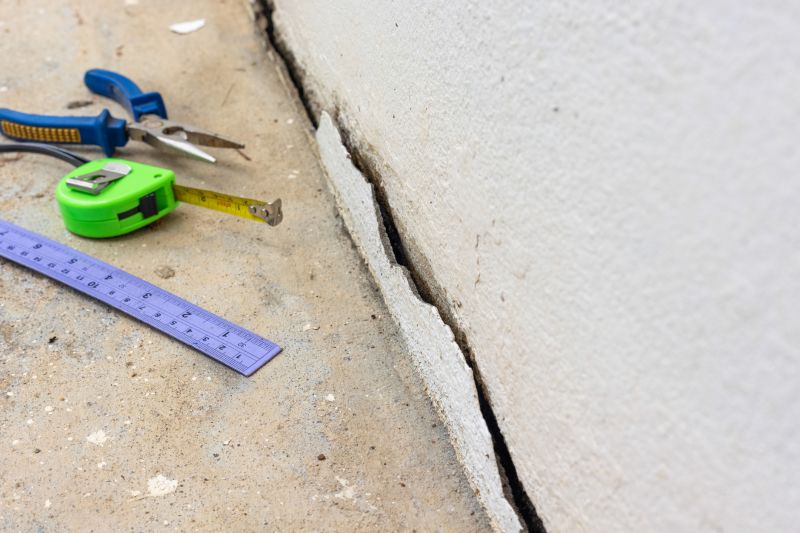
Spring is ideal for assessing retaining walls after winter to identify damage caused by freeze-thaw cycles.

Perform repairs during summer when weather conditions are stable, reducing delays and weather-related issues.

Late fall allows for repairs before winter, preventing further damage from snow and ice accumulation.
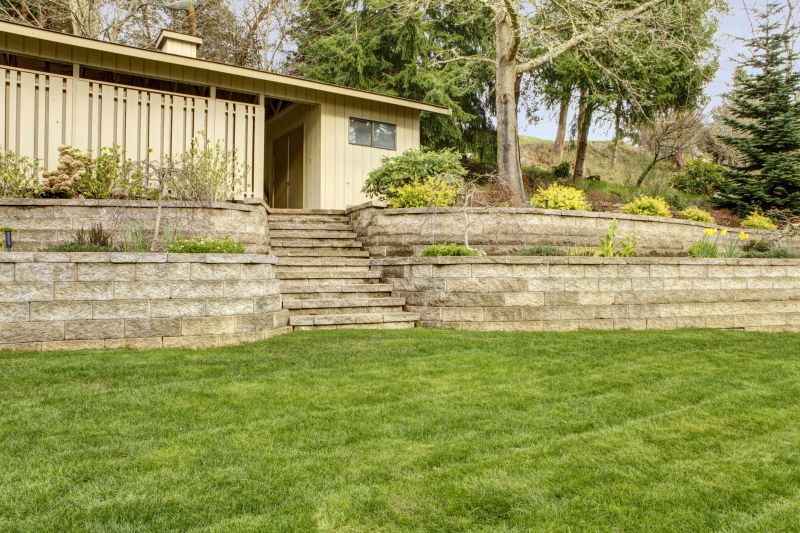
Ways to make Retaining Walls Repairs work in tight or awkward layouts.
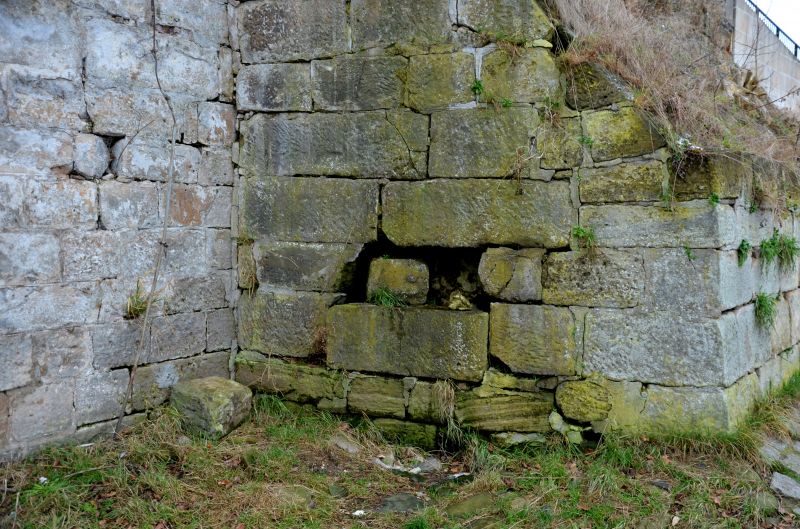
Popular materials for Retaining Walls Repairs and why they hold up over time.
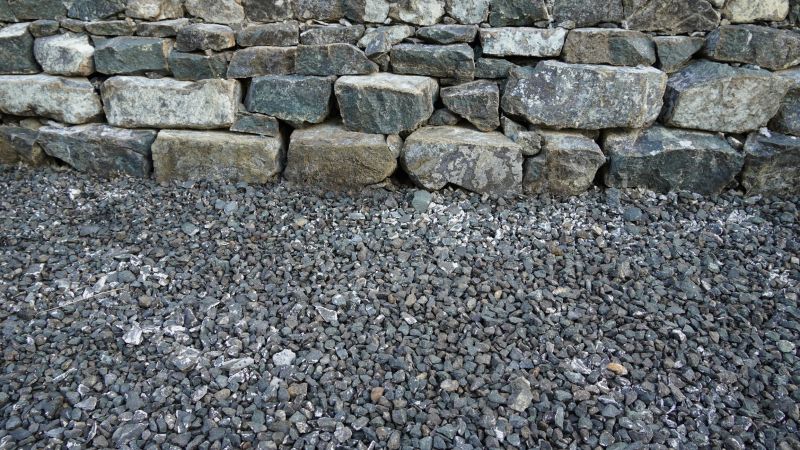
Simple add-ons that improve Retaining Walls Repairs without blowing the budget.
Retaining walls are vital structures that prevent soil erosion, manage slope stability, and enhance landscape aesthetics. Proper timing for repairs ensures the longevity and safety of these structures. Seasonal considerations, such as avoiding repairs during heavy rainfall or freezing temperatures, can minimize complications and improve results. Statistics indicate that timely maintenance can extend the lifespan of retaining walls by several years, reducing long-term repair costs.
Cracks, tilting, or bulging indicate the need for repairs to maintain structural integrity.
Heavy rain and freeze-thaw cycles accelerate deterioration, making timely repairs essential.
Annual inspections help identify issues early, especially after severe weather events.
Choosing durable materials suited to local climate conditions can improve repair longevity.
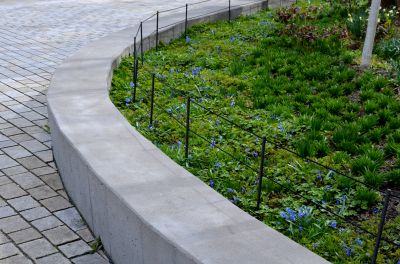
High-end options that actually feel worth it for Retaining Walls Repairs.
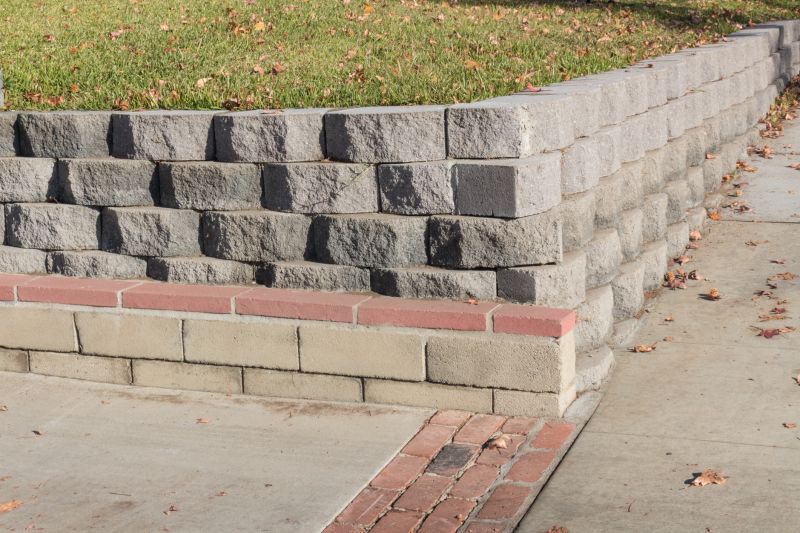
Finishes and colors that play nicely with Retaining Walls Repairs.
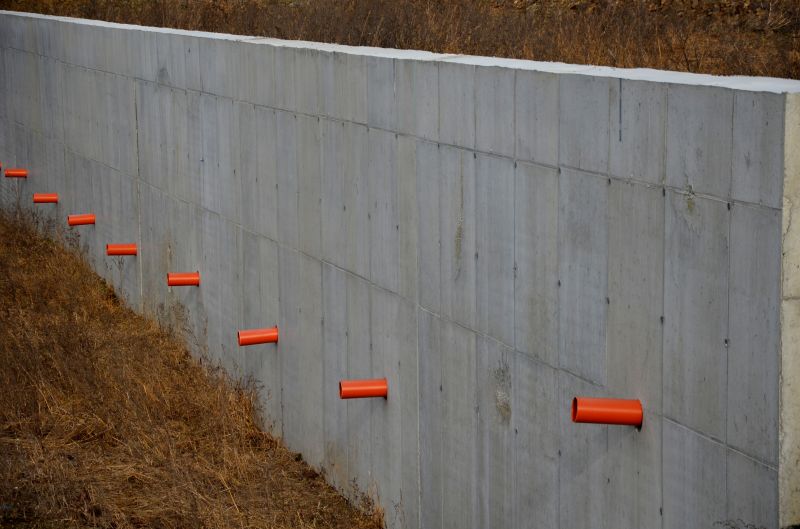
Little measurements that prevent headaches on Retaining Walls Repairs day.
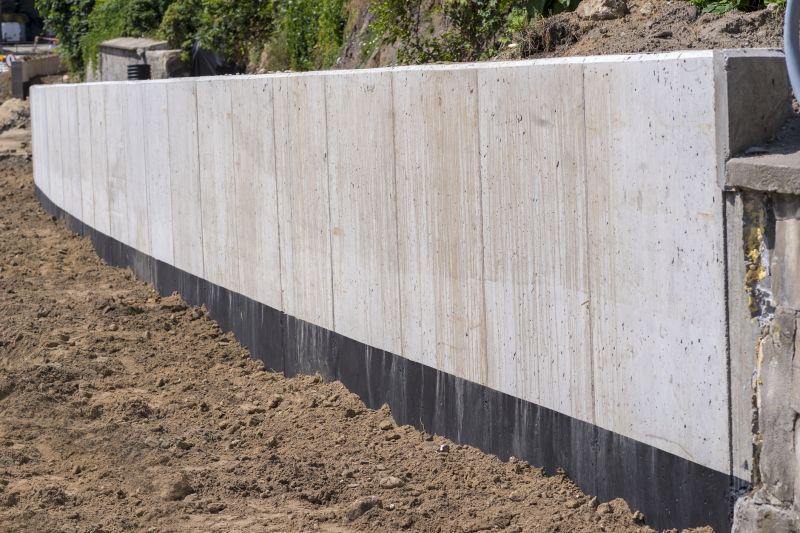
A 60-second routine that keeps Retaining Walls Repairs looking new.
| Season | Best Repair Timing |
|---|---|
| Spring | Ideal for inspections and minor repairs after winter. |
| Summer | Suitable for major repairs with stable weather conditions. |
| Fall | Prepares walls for winter, preventing freeze damage. |
| Winter | Generally discouraged due to cold and precipitation. |
| Post-Storm | Recommended after severe weather to assess damage. |
Engaging in repairs at the appropriate time maximizes effectiveness and minimizes disruptions. Proper scheduling ensures that weather conditions do not hinder repair work or compromise the quality of materials used. Regular assessment and timely intervention contribute to the structural stability and safety of retaining walls, reducing the risk of costly failures.
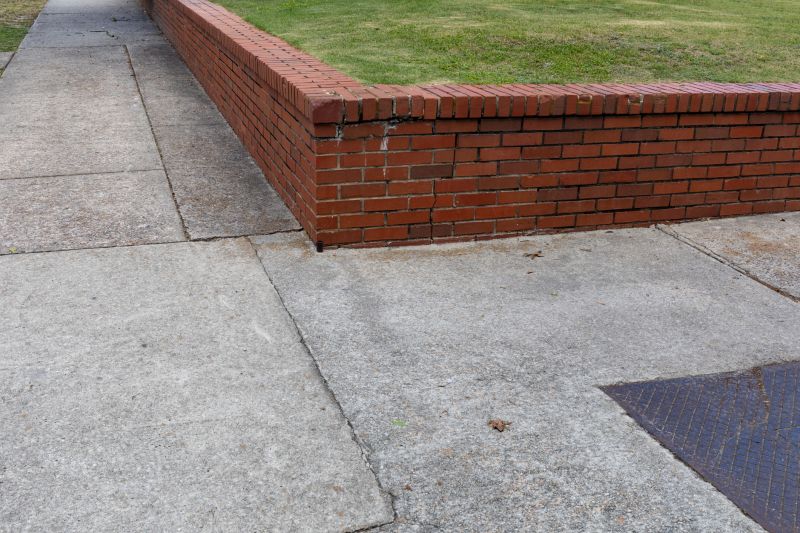
A frequent mistake in Retaining Walls Repairs and how to dodge it.
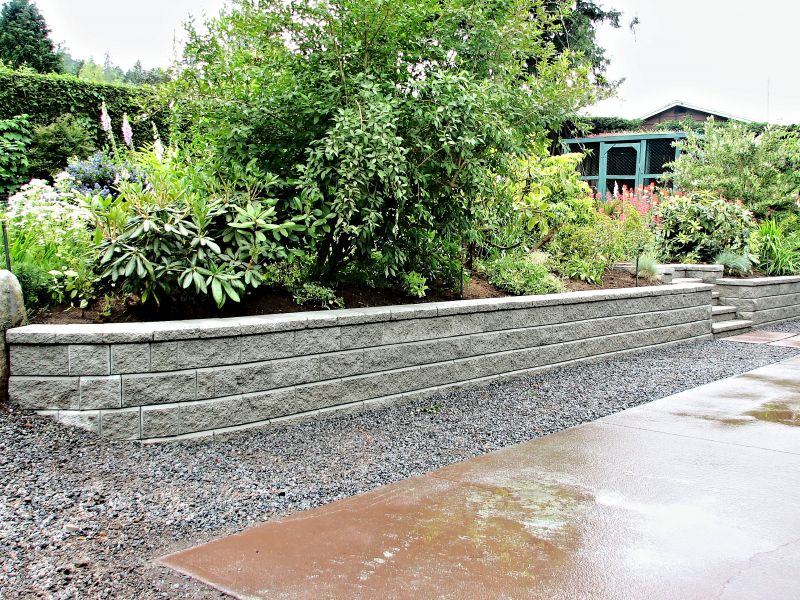
Small tweaks to make Retaining Walls Repairs safer and easier to use.
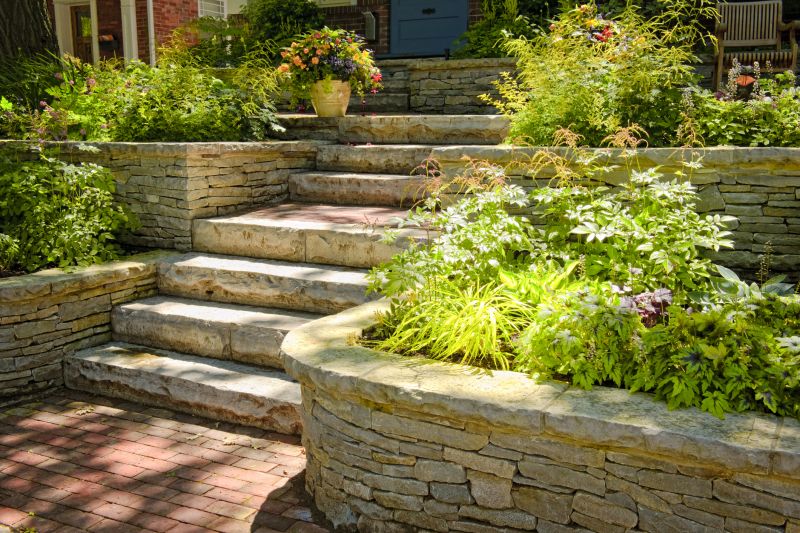
Lower-waste or water-saving choices for Retaining Walls Repairs.
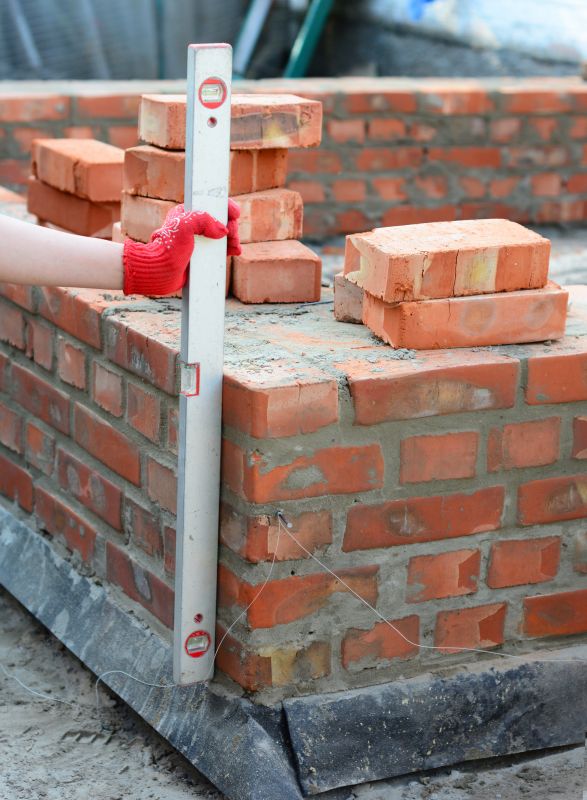
The short, realistic tool list for quality Retaining Walls Repairs.
Interested parties are encouraged to contact for more information regarding retaining wall repairs. Proper timing and maintenance are essential for ensuring the durability and safety of these structures, and professional guidance can assist in planning effective repair schedules tailored to specific site conditions.